Monthly Archives: April 2026

crucible book pdf

The Crucible Book PDF: A Comprehensive Guide (Updated April 29, 2026)

Finding a “Crucible” book PDF online involves navigating various sources, from legitimate platforms offering digital copies to potentially unreliable websites.

Numerous options exist, including free and paid versions, each with differing quality and completeness, as of today, April 29, 2026.

What is “The Crucible”?

“The Crucible” is a profoundly impactful play penned by the celebrated American playwright, Arthur Miller. First performed in 1953, it transcends a simple historical recounting, becoming a powerful allegory exploring themes of injustice, hysteria, and individual integrity. The narrative unfolds in Salem, Massachusetts, during the infamous witch trials of 1692.

At its core, the play dramatizes the escalating paranoia and false accusations that gripped the Puritan community. Driven by fear and religious extremism, residents began accusing one another of witchcraft, leading to a series of trials and executions. However, the play’s significance extends far beyond its historical setting. It serves as a potent commentary on the McCarthyism era in the United States, a period marked by similar accusations and political repression.

Searching for a “Crucible” book PDF often leads readers to explore this complex and enduring work, seeking deeper understanding of its layers of meaning and historical context.
Historical Context: Salem Witch Trials of 1692
The Salem Witch Trials of 1692 represent a dark chapter in American history, fueled by religious extremism, fear, and social anxieties. Originating in Salem Village, Massachusetts, the hysteria began with accusations made by a group of young women, claiming to be afflicted by witchcraft.

These accusations quickly spiraled, leading to the arrest and trial of numerous individuals, predominantly women. Spectral evidence – testimony based on dreams and visions – was readily accepted, contributing to the escalating panic. The trials resulted in the conviction and execution of twenty people, with many others imprisoned.

Understanding this historical backdrop is crucial when exploring a “Crucible” book PDF, as Miller’s play draws heavily from these events, using them to explore broader themes of societal pressure and injustice.

Arthur Miller’s “The Crucible”: An Overview

Arthur Miller’s “The Crucible,” written in 1953, is a powerful and enduring dramatic work. Presented as a historical fiction, the play meticulously recounts the Salem witch trials, but operates on a deeper allegorical level. It’s a four-act play, renowned for its intense character development and gripping narrative.

The play explores themes of mass hysteria, reputation, and the dangers of unchecked authority. Miller masterfully crafts dialogue and builds tension, immersing the audience in the claustrophobic atmosphere of 17th-century Salem. Obtaining a “Crucible” book PDF allows for detailed study of Miller’s writing style.

Its enduring popularity stems from its timeless relevance, prompting reflection on societal pressures and the importance of individual integrity.

Understanding the Play’s Allegory

“The Crucible” transcends a simple retelling of the Salem witch trials; it functions as a potent allegory for McCarthyism, the anti-communist “witch hunts” of the 1950s in America. Arthur Miller used the historical events as a parallel to critique the political climate of his time, where baseless accusations and fear-mongering were rampant.

The play’s characters and events mirror the anxieties and injustices of the McCarthy era, highlighting the dangers of ideological conformity and the suppression of dissent. A “Crucible” book PDF facilitates a deeper understanding of these layered meanings.

By studying the text, readers can discern how Miller employed symbolism and dramatic irony to expose the flaws of a society driven by paranoia and false accusations.

The Crucible as a Response to McCarthyism

Arthur Miller’s “The Crucible” was a direct response to the pervasive anti-communist hysteria of McCarthyism. The play, written in 1953, served as a thinly veiled critique of Senator Joseph McCarthy’s relentless pursuit of alleged communists within the U.S. government and various sectors of American life.

Miller recognized parallels between the Salem witch trials and the McCarthy era’s atmosphere of fear, suspicion, and unsubstantiated accusations. A “Crucible” book PDF allows readers to analyze how Miller deliberately mirrored these historical events to expose the dangers of political repression.

The play questioned the validity of guilt by association and the erosion of due process, themes acutely relevant during McCarthy’s investigations.

Finding a “Crucible” Book PDF Online

Locating a “Crucible” book PDF requires careful navigation of the internet landscape. Numerous websites offer digital copies, ranging from legitimate online bookstores to platforms hosting user-uploaded content. Search engines are a starting point, but results often include both legal and potentially infringing sources.

Digital libraries and educational institutions sometimes provide access to PDF versions for students and researchers. However, access may be restricted to enrolled members. Exploring online booksellers like Amazon or Barnes & Noble can yield legally purchased PDF downloads.

Caution is advised when downloading from unfamiliar websites to avoid malware or copyright infringement.

Legitimate Sources for PDF Downloads

Several reputable platforms offer legal access to “The Crucible” book in PDF format. Project Gutenberg, a volunteer effort, provides free ebooks, including classic literature, though availability varies. Google Books allows previewing and, in some cases, downloading full PDF copies, depending on copyright restrictions.

Online bookstores like Amazon Kindle Store and Barnes & Noble Nook consistently offer digital versions for purchase. University and public library websites often provide access to ebooks, including “The Crucible,” for registered patrons.

These sources guarantee copyright compliance and a safe downloading experience, ensuring a quality PDF version of Arthur Miller’s play.

Free vs. Paid PDF Versions: What to Expect

Free “Crucible” book PDF versions, often found on file-sharing sites, may contain formatting errors, missing pages, or even malware. Quality is inconsistent, and copyright legality is questionable. Paid versions, purchased from legitimate sources, guarantee a clean, complete, and legally obtained copy.

Expect paid PDFs to include features like searchable text, adjustable fonts, and potentially supplementary materials such as critical essays or author biographies. Free versions rarely offer these benefits. While tempting, downloading from unverified sources poses risks to your device’s security.

Investing in a paid PDF ensures a reliable and enriching reading experience, supporting the author and publisher.

Key Characters in “The Crucible”

“The Crucible” features a compelling cast driving the narrative of suspicion and hysteria. John Proctor, a central figure, grapples with guilt and integrity amidst the escalating accusations. Abigail Williams, a manipulative and vengeful young woman, ignites the witch hunt with her false claims.

Reverend Hale, initially believing in the trials, undergoes a moral awakening as he witnesses the injustice. Other significant characters include Elizabeth Proctor, whose unwavering honesty contrasts with the deceit surrounding her, and Deputy Governor Danforth, embodying rigid authority.

Understanding these characters’ motivations and relationships is crucial when exploring the play’s themes, readily available within a “Crucible” book PDF.

John Proctor: A Tragic Hero

John Proctor embodies the archetype of a tragic hero, flawed yet possessing inherent dignity. His past adultery with Abigail Williams haunts him, creating internal conflict and vulnerability. He strives for honesty and redemption, battling societal pressures and his own guilt.

Proctor’s refusal to falsely confess, despite facing execution, demonstrates his commitment to integrity. This pivotal decision elevates him, transforming him from a flawed man into a symbol of moral courage. His struggle resonates deeply, exploring themes of reputation and personal honor.

A detailed analysis of Proctor’s character arc is readily accessible within a “Crucible” book PDF, offering insights into his complex motivations and tragic fate.

Abigail Williams: The Catalyst of the Crisis

Abigail Williams serves as the primary instigator of the Salem witch trials, driven by jealousy, revenge, and a desire for power. Her manipulative nature and fabricated accusations ignite the hysteria that consumes the community. She expertly exploits the prevailing fears and religious fervor to achieve her goals.

A “Crucible” book PDF provides a comprehensive examination of Abigail’s character, revealing her motivations and the devastating consequences of her actions. Her complex personality, blending vulnerability with ruthlessness, makes her a compelling and disturbing figure.

Understanding Abigail’s role is crucial to grasping the play’s central themes of mass panic and the dangers of unchecked authority, as detailed within the text.

Reverend Hale: The Evolving Perspective

Reverend Hale arrives in Salem as an expert in witchcraft, confident in his ability to discern truth from deception. However, as the trials progress, he witnesses the injustice and mounting evidence of fabricated accusations, leading to a profound shift in his perspective.

A “Crucible” book PDF meticulously traces Hale’s transformation from a zealous believer in spectral evidence to a desperate advocate for reason and mercy. His internal struggle reflects the play’s exploration of guilt, responsibility, and the fallibility of human judgment.

The text highlights Hale’s eventual condemnation of the court’s proceedings, demonstrating the devastating impact of hysteria and the importance of critical thinking.

Major Themes Explored in the Play

A “Crucible” book PDF reveals the play’s exploration of potent themes, including the dangers of mass hysteria, the fragility of reputation, and the abuse of power. These themes resonate deeply, prompting readers to consider their relevance in contemporary society.

The text demonstrates how fear and paranoia can quickly escalate into widespread panic, leading to irrational accusations and unjust condemnations. It also examines the societal pressures that compel individuals to prioritize their public image over their integrity.

Furthermore, the PDF showcases how those in positions of authority can exploit fear to maintain control, highlighting the importance of challenging unjust systems.

Hysteria and Mass Panic

The “Crucible” book PDF vividly portrays the rapid descent into hysteria and mass panic within Salem. Initial anxieties, fueled by adolescent accusations, quickly spiral out of control, consuming the entire community.

Examining the text reveals how easily fear can be manipulated and spread, transforming neighbor against neighbor. The PDF demonstrates the power of suggestion and the willingness of individuals to conform to prevailing beliefs, even in the face of evidence to the contrary.

This unchecked panic leads to irrational accusations, false confessions, and ultimately, tragic consequences, showcasing the destructive nature of collective delusion.

Reputation and Social Standing

The “Crucible” book PDF deeply explores the significance of reputation and social standing in 17th-century Salem. Characters are acutely aware of how they are perceived by others, and their social status heavily influences their fate.

Within the PDF’s narrative, a good name is considered a vital asset, representing integrity and piety. Accusations of witchcraft, therefore, are not merely legal charges but devastating attacks on one’s character and place within the community.

The text reveals how individuals desperately attempt to protect their reputations, sometimes resorting to false confessions or accusing others to deflect suspicion, highlighting the fragility of social standing.

Power and Authority

The “Crucible” book PDF meticulously examines the dynamics of power and authority within the rigid societal structure of Salem. The narrative showcases how figures like Reverend Parris and Judge Danforth wield considerable influence, often abusing their positions.

As presented in the PDF, authority is not solely derived from official roles but also from social standing and religious conviction. The court proceedings demonstrate a clear imbalance of power, with the accused largely defenseless against the accusations.

Miller’s work, accessible through the PDF, illustrates how fear and hysteria can amplify existing power structures, allowing individuals to exploit their authority for personal gain or to maintain control.

Plot Summary: A Detailed Breakdown

The “Crucible” book PDF details the unfolding drama in Salem, beginning with the girls’ mysterious illness and accusations of witchcraft. Act I introduces the core characters and establishes the atmosphere of suspicion.

As the PDF reveals, Act II witnesses escalating tensions as more individuals are accused, and John Proctor’s attempts to expose Abigail’s deceit begin. Act III centers on the courtroom confrontations, where evidence is flimsy and fueled by hysteria.

Finally, the PDF concludes with Act IV, showcasing the tragic consequences of integrity as Proctor chooses death over a false confession, highlighting the play’s central themes of justice and morality.

Act I: The Seeds of Suspicion

The “Crucible” book PDF reveals Act I initiates the narrative in Salem, Massachusetts, with a chilling discovery: young girls engaging in forbidden dances in the woods. Reverend Parris, concerned about his reputation, investigates, fueled by rumors of witchcraft.

As the PDF details, Abigail Williams emerges as a central figure, skillfully manipulating the situation to deflect blame and accuse others. The arrival of Reverend Hale, an expert in witchcraft, intensifies the atmosphere of fear and suspicion.

This act, as presented in the PDF, lays the groundwork for the ensuing hysteria, establishing the initial accusations and setting the stage for the escalating crisis within the community.

Act II: Rising Tensions and Accusations

The “Crucible” book PDF illustrates Act II depicts a Salem gripped by escalating paranoia. John and Elizabeth Proctor’s strained relationship is central, as Elizabeth faces accusation based on Abigail’s vengeful claims.

As the PDF reveals, the court proceedings begin, with Abigail and the other girls wielding immense power through their fabricated testimonies. Hale’s initial confidence wavers as inconsistencies emerge, yet the momentum of accusations continues.

This act, detailed in the PDF, showcases the devastating impact of false accusations on individuals and the community, highlighting the fragility of reputation and the dangers of unchecked authority.

Act III: The Courtroom Confrontations
The “Crucible” book PDF vividly portrays Act III as the play’s dramatic climax, unfolding within the Salem courtroom. John Proctor attempts to expose Abigail’s deceit by revealing his affair, hoping to discredit her testimony.

As the PDF details, this desperate act backfires, as Abigail skillfully manipulates the situation, turning the accusations against Proctor himself. Reverend Hale vehemently protests the injustice, questioning the validity of the girls’ claims.

The courtroom scenes, as presented in the PDF, are filled with intense conflict and moral dilemmas, showcasing the power of lies and the devastating consequences of mass hysteria.

Act IV: The Consequences of Integrity

The “Crucible” book PDF depicts Act IV as a somber reflection on the price of integrity in the face of societal pressure. John Proctor, imprisoned and facing execution, grapples with the decision to confess falsely to save his life.

As the PDF illustrates, his internal struggle highlights the play’s central theme of choosing between personal salvation and upholding one’s moral principles. Elizabeth Proctor, aware of his torment, unknowingly influences his final decision.

Ultimately, Proctor refuses to sign a false confession, choosing to die with his name intact, a powerful testament to his unwavering integrity, as detailed within the PDF’s narrative.

Analyzing Literary Devices in “The Crucible”

The “Crucible” book PDF reveals Arthur Miller’s masterful use of literary devices to enhance the play’s thematic depth. Symbolism, particularly the crucible itself, represents a severe test or trial, mirroring the Salem witch trials.

As the PDF demonstrates, irony permeates the narrative, with dramatic irony highlighting the audience’s knowledge of the accusers’ deceit. Foreshadowing subtly hints at the impending tragedy, building suspense throughout the play.

Miller employs these techniques, as explored in the PDF, to critique societal hysteria and the dangers of unchecked power, creating a timeless and resonant work of literature.

Symbolism: The Crucible Itself

The “Crucible” book PDF illuminates the potent symbolism embedded within the play’s title. A crucible is a ceramic or metal container used for heating substances to extremely high temperatures.

Miller utilizes this image to represent the intense pressures and trials faced by the characters in Salem, as detailed within the PDF. The trials serve as a metaphorical crucible, testing their integrity, faith, and ultimately, their lives.

The PDF reveals how the crucible symbolizes a process of purification through suffering, where truth is revealed amidst chaos and accusations. It’s a place where individuals are forged or broken by the heat of persecution.

Irony: Dramatic and Situational

Analyzing the “Crucible” book PDF reveals Miller’s masterful use of irony, both dramatic and situational, to heighten the play’s tragic impact. Dramatic irony occurs when the audience knows more than the characters, creating suspense and foreshadowing doom.

The PDF highlights instances where characters unknowingly condemn themselves or others, believing they are acting righteously. Situational irony arises from the discrepancy between expectations and reality, often with devastating consequences.

For example, the court established to find truth becomes a vehicle for injustice, a stark contrast to its intended purpose, as detailed in the PDF. This irony underscores the play’s themes of hypocrisy and the dangers of unchecked power.

Foreshadowing: Hints of the Tragedy to Come

Examining the “Crucible” book PDF reveals Arthur Miller’s skillful employment of foreshadowing, subtly hinting at the impending tragedy. Early scenes, accessible within the PDF, contain veiled warnings and ominous pronouncements that build suspense.

The initial bewilderment and fear surrounding Betty Parris’s illness serve as a precursor to the widespread hysteria that engulfs Salem. Recurring motifs, like the forest representing forbidden desires and chaos, foreshadow the moral decay at the heart of the community.

Miller strategically plants clues throughout the play, available for analysis in the PDF, suggesting the inevitable downfall of those caught in the web of accusations and deceit, creating a sense of dread.

“The Crucible” Adaptations: Film and Stage

Accessing the “Crucible” book PDF often sparks interest in its various adaptations for film and stage. The 1996 film, starring Winona Ryder, remains a prominent interpretation, readily available for comparison with Miller’s original text found within the PDF.

Numerous stage productions have brought “The Crucible” to life, each offering unique perspectives on the play’s themes. Studying the PDF alongside reviews of these performances reveals how directors and actors have interpreted the characters and events.

These adaptations, while differing in execution, consistently highlight the play’s enduring relevance, reinforcing the power of the narrative presented in the core “Crucible” book PDF.

The 1996 Film Adaptation Starring Winona Ryder

The 1996 film adaptation, featuring Winona Ryder as Abigail Williams, provides a visual companion to the “Crucible” book PDF, offering a different lens through which to explore the story. Comparing Ryder’s portrayal with the characterization detailed in the PDF reveals nuanced interpretations.

The film’s depiction of Salem’s atmosphere and the escalating hysteria complements the textual descriptions found within the “Crucible” book PDF, enhancing understanding of the play’s context. Analyzing scenes alongside the PDF’s text illuminates directorial choices and their impact.
Ultimately, the film serves as a valuable resource for those engaging with the “Crucible” book PDF, offering a dynamic and accessible interpretation of Miller’s work.

Stage Productions and Their Impact

Numerous stage productions of “The Crucible” have amplified the play’s resonance, offering interpretations that enrich the experience of reading the “Crucible” book PDF. These performances often highlight specific themes, such as power dynamics or societal pressures, detailed within the PDF’s textual analysis.

Examining critical responses to various stage adaptations alongside the “Crucible” book PDF reveals evolving perspectives on Miller’s work. Different directorial choices and actor portrayals can illuminate new facets of the characters and plot, enhancing comprehension.

Ultimately, the impact of stage productions extends the reach of the “Crucible” book PDF, fostering a deeper appreciation for its enduring relevance and artistic merit.

Critical Reception and Lasting Legacy

Initial reviews of “The Crucible” sparked debate, mirroring the anxieties of the McCarthy era, a context readily available within the “Crucible” book PDF. Controversies arose regarding its allegorical interpretation, prompting discussions about artistic license and historical accuracy, as detailed in scholarly analyses found alongside the PDF.

Despite initial disagreements, the play quickly established itself as a significant work of American drama. Its enduring legacy stems from its exploration of universal themes – injustice, fear, and the fragility of truth – all comprehensively covered in the “Crucible” book PDF.

Today, studying the “Crucible” book PDF remains vital for understanding both literary history and the dangers of ideological extremism.

Initial Reviews and Controversies

Upon its 1953 premiere, Arthur Miller’s “The Crucible” ignited considerable debate, details readily accessible within a “Crucible” book PDF. Some critics lauded its powerful allegory to McCarthyism, while others questioned its historical accuracy and perceived political agenda, as documented in early reviews often included in PDF editions.

The play’s unflinching portrayal of mass hysteria and the abuse of power proved particularly contentious, mirroring the anxieties of the time. Controversies centered on whether Miller prioritized political commentary over dramatic integrity, a point frequently discussed in critical essays accompanying the “Crucible” book PDF.

Despite the initial friction, the play’s impact was undeniable, solidifying its place in American theatrical history.

“The Crucible’s” Relevance Today

Even in 2026, exploring a “Crucible” book PDF reveals the play’s enduring resonance. Its themes of mass hysteria, false accusations, and the dangers of unchecked authority remain strikingly relevant in contemporary society, mirroring current events and political climates.

The play serves as a potent reminder of the fragility of truth and the importance of critical thinking, lessons readily apparent when studying a “Crucible” book PDF. Discussions surrounding “cancel culture,” misinformation, and political polarization frequently draw parallels to the Salem witch trials.

“The Crucible” continues to prompt vital conversations about justice, integrity, and the responsibility of individuals to challenge injustice, making the “Crucible” book PDF a valuable resource.


human body systems pdf

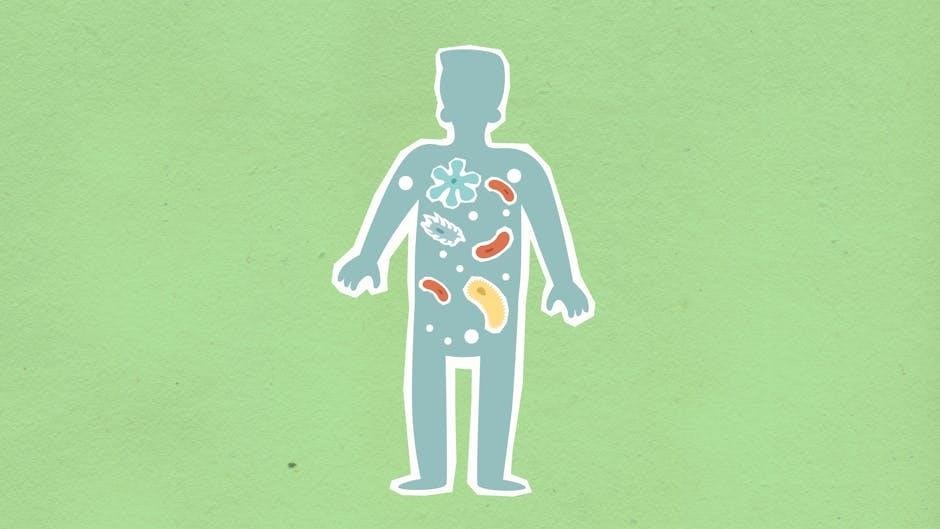
Cells‚ tissues‚ and organs form highly organized systems within the human body‚ enabling a vast range of functions essential for life and overall well-being.

Overview of System Interdependence

The human body’s systems aren’t isolated entities; they exhibit remarkable interdependence‚ functioning as a cohesive unit. For instance‚ the respiratory system provides oxygen crucial for circulatory system’s delivery to tissues‚ while the digestive system furnishes nutrients powering all bodily functions.

The nervous system orchestrates these interactions‚ responding to internal and external stimuli‚ and the renal system maintains fluid balance vital for all systems. Muscular and skeletal systems provide support and movement‚ impacting respiration and circulation. This intricate network ensures survival‚ demonstrating that compromise in one system inevitably affects others‚ highlighting the body’s holistic nature.

The Importance of Studying Human Body Systems

Understanding human body systems is paramount for healthcare professionals‚ enabling accurate diagnoses and effective treatments. Studying these systems provides insights into how life-sustaining processes function‚ from gas exchange to nutrient absorption.

Knowledge of system interdependence is crucial; a problem in one area often signals issues elsewhere. This understanding aids in preventative care and promotes healthier lifestyles. Furthermore‚ exploring these systems fosters appreciation for the body’s complexity and resilience‚ driving advancements in medical research and improving overall human well-being. It’s a foundation for informed health decisions.

The Muscular System

Muscle tissues – skeletal‚ smooth‚ and cardiac – are integral for movement‚ maintaining posture‚ and generating heat‚ supporting numerous bodily functions effectively.

Types of Muscle Tissue (Skeletal‚ Smooth‚ Cardiac)

The human body boasts three distinct muscle tissue types: skeletal‚ smooth‚ and cardiac‚ each uniquely structured and serving specific functions. Skeletal muscle‚ attached to bones via tendons‚ enables voluntary movements like walking and lifting‚ characterized by its striated appearance under a microscope.

Smooth muscle‚ found in the walls of internal organs such as the stomach and blood vessels‚ controls involuntary movements like digestion and blood pressure regulation; it lacks striations. Finally‚ cardiac muscle‚ exclusive to the heart‚ is responsible for pumping blood throughout the body‚ exhibiting both striated features and involuntary control.

These tissues collaborate seamlessly‚ ensuring coordinated bodily functions and maintaining overall physiological balance. Understanding their differences is crucial for comprehending the muscular system’s complexity.

Functions of the Muscular System (Movement‚ Posture‚ Heat Production)

The muscular system performs vital functions beyond simply enabling movement. Movement‚ both voluntary and involuntary‚ is its most recognizable role‚ facilitated by muscle contractions. Maintaining posture‚ even during rest‚ relies heavily on continuous muscle tone‚ preventing us from collapsing.

Crucially‚ muscle contraction generates heat as a byproduct‚ contributing significantly to maintaining a stable core body temperature – a process known as thermogenesis. This heat production is especially important during physical activity or in cold environments.

Furthermore‚ muscles protect internal organs and contribute to facial expressions‚ showcasing the system’s diverse and essential contributions to overall bodily function and survival.

The Skeletal System

Bones provide crucial support‚ protection for vital organs‚ enable movement‚ and serve as a reservoir for essential minerals like calcium.

Bone Structure and Composition

Bone isn’t simply a static‚ solid mass; it’s a dynamic‚ living tissue with a complex hierarchical structure. At its core‚ bone comprises a robust extracellular matrix‚ primarily composed of collagen – providing flexibility – and mineral salts‚ notably calcium phosphate‚ conferring hardness. This matrix supports various bone cells‚ including osteoblasts (building bone)‚ osteocytes (maintaining bone)‚ and osteoclasts (resorbing bone).

Bones exhibit two main types of tissue: compact bone‚ dense and strong‚ forming the outer layer‚ and spongy bone‚ lighter and porous‚ found within. The microscopic structure reveals Haversian systems‚ cylindrical units containing blood vessels and nerves‚ crucial for bone nourishment and repair. Bone marrow‚ residing within the bone cavities‚ produces blood cells. This intricate composition allows bones to withstand significant stress while remaining adaptable and capable of self-renewal.

Functions of the Skeletal System (Support‚ Protection‚ Movement‚ Mineral Storage)

The skeletal system performs several vital functions beyond simply providing a structural framework. It offers robust support for the entire body‚ maintaining posture and bearing weight. Crucially‚ it protects delicate internal organs – the skull shields the brain‚ the rib cage safeguards the heart and lungs‚ and the vertebral column protects the spinal cord.

Furthermore‚ bones act as levers for muscles‚ enabling a wide range of movements. The skeletal system also serves as a critical mineral reservoir‚ primarily storing calcium and phosphorus‚ releasing them into the bloodstream as needed for various physiological processes. Finally‚ bone marrow within bones is responsible for hematopoiesis – the production of blood cells‚ essential for oxygen transport and immune function.

The Respiratory System

Lungs‚ trachea‚ and the diaphragm collaborate to facilitate gas exchange‚ enabling us to breathe and sustain life through oxygen intake and carbon dioxide removal.

Components of the Respiratory System (Lungs‚ Trachea‚ Diaphragm)

The respiratory system’s core components work in perfect harmony to ensure efficient breathing. Lungs‚ the primary organs‚ are responsible for the crucial gas exchange – taking in oxygen and releasing carbon dioxide. Air travels to the lungs via the trachea‚ often called the windpipe‚ a sturdy tube reinforced with cartilage rings to prevent collapse.

Below the lungs lies the diaphragm‚ a large‚ dome-shaped muscle that plays a vital role in the breathing process. When the diaphragm contracts‚ it flattens and creates more space in the chest cavity‚ drawing air into the lungs. Relaxation of the diaphragm pushes air out. These interconnected structures‚ alongside bronchi and bronchioles‚ facilitate the continuous cycle of respiration‚ essential for sustaining life.

Gas Exchange: How We Breathe

Breathing‚ or ventilation‚ is the initial step‚ moving air into and out of the lungs. However‚ gas exchange is where the magic truly happens. Within the lungs‚ tiny air sacs called alveoli provide a vast surface area for this critical process. Oxygen from inhaled air diffuses across the alveolar walls into the surrounding capillaries‚ entering the bloodstream.

Simultaneously‚ carbon dioxide‚ a waste product of metabolism‚ moves from the blood into the alveoli to be exhaled. This exchange is driven by differences in gas concentration. The circulatory system then transports oxygen to cells throughout the body‚ fueling life-sustaining processes‚ while removing carbon dioxide as waste.

The Circulatory System

A complex network‚ the circulatory system efficiently transports vital substances – oxygen‚ nutrients‚ and hormones – throughout the body‚ sustaining life’s processes.

The Heart and Blood Vessels

The heart‚ a muscular organ‚ functions as the central pump‚ rhythmically contracting to propel blood throughout the expansive network of blood vessels. Arteries carry oxygenated blood away from the heart‚ branching into smaller arterioles and eventually capillaries – the sites of nutrient and waste exchange with tissues.

Veins then return deoxygenated blood back to the heart‚ completing the circulatory loop. This intricate vascular system‚ encompassing pulmonary and systemic circuits‚ ensures every cell receives essential supplies and eliminates metabolic byproducts. Blood vessels’ elasticity and strength are crucial for maintaining blood pressure and efficient circulation‚ supporting overall bodily functions and homeostasis.

Blood Composition and Function

Blood‚ a complex fluid‚ comprises plasma‚ red blood cells‚ white blood cells‚ and platelets‚ each playing a vital role. Plasma‚ the liquid component‚ transports nutrients‚ hormones‚ and waste products. Red blood cells‚ containing hemoglobin‚ carry oxygen from the lungs to tissues‚ while white blood cells defend against infection and disease.

Platelets are essential for blood clotting‚ preventing excessive bleeding. Beyond transport and defense‚ blood regulates body temperature and maintains fluid balance. This dynamic composition ensures the efficient delivery of life-sustaining substances and the removal of harmful toxins‚ supporting overall health and homeostasis within the body’s systems.

The Nervous System

A complex network‚ the nervous system coordinates actions and transmits signals between different body parts‚ ensuring rapid communication and response.

Central and Peripheral Nervous Systems

The nervous system is broadly divided into two main parts: the central nervous system (CNS) and the peripheral nervous system (PNS). The CNS‚ comprised of the brain and spinal cord‚ acts as the control center‚ processing information and initiating responses. It receives sensory input from the body and sends motor commands to muscles and glands.

Conversely‚ the PNS consists of all the nerves that lie outside of the brain and spinal cord. It functions as a communication network‚ connecting the CNS to the limbs and organs. This intricate system relays sensory information to the CNS and carries motor commands from the CNS‚ enabling both conscious and unconscious bodily functions. Together‚ these systems ensure seamless coordination and responsiveness.

Neurons and Synaptic Transmission

The fundamental units of the nervous system are neurons‚ specialized cells designed to transmit information via electrical and chemical signals. Each neuron consists of a cell body‚ dendrites (receiving signals)‚ and an axon (transmitting signals). Communication between neurons doesn’t occur through direct contact; instead‚ it happens at synapses.

Synaptic transmission involves the release of chemical messengers‚ called neurotransmitters‚ from the axon terminal of one neuron. These neurotransmitters cross the synaptic cleft and bind to receptors on the dendrites of the next neuron‚ propagating the signal. This complex process allows for rapid and precise communication throughout the nervous system‚ enabling thought‚ movement‚ and sensation.

The Renal (Urinary) System

Kidneys filter waste and excess fluids from the blood‚ maintaining crucial fluid and electrolyte balance for overall bodily function and homeostasis.

Kidney Function and Waste Removal

The kidneys are remarkably efficient filters‚ constantly working to purify the blood and maintain internal stability. They achieve this through a complex process involving millions of nephrons‚ microscopic structures responsible for removing metabolic waste products like urea‚ creatinine‚ and excess salts.

Blood enters the kidneys‚ where it’s filtered‚ and essential substances – glucose‚ amino acids‚ and water – are reabsorbed back into the bloodstream. The remaining waste forms urine‚ which travels through the ureters to the bladder for storage and eventual elimination.

This waste removal process isn’t just about getting rid of toxins; it’s vital for regulating blood pressure‚ electrolyte balance‚ and red blood cell production. Proper kidney function is therefore absolutely critical for overall health and survival.

Maintaining Fluid and Electrolyte Balance

The renal system plays a pivotal role in meticulously controlling the body’s fluid volume and electrolyte concentrations – a delicate balance essential for cellular function. Kidneys regulate water reabsorption‚ responding to hormonal signals like antidiuretic hormone (ADH) to conserve water when dehydrated or excrete excess fluid when overhydrated.

Electrolytes‚ including sodium‚ potassium‚ calcium‚ and chloride‚ are crucial for nerve impulse transmission‚ muscle contraction‚ and maintaining proper pH levels. The kidneys precisely adjust electrolyte excretion to maintain optimal concentrations in the blood.

Disruptions to this balance can lead to serious health consequences‚ highlighting the kidneys’ indispensable role in homeostasis and overall physiological well-being.

The Digestive System

Organs within the digestive tract work collaboratively to break down food‚ absorb vital nutrients‚ and efficiently eliminate waste products from the body.

Organs of the Digestive Tract

The digestive tract‚ a complex and lengthy pathway‚ begins with the mouth‚ where mechanical and chemical digestion initiate the breakdown of food. The esophagus then transports this partially processed material to the stomach‚ a muscular organ responsible for further breakdown and storage.

Next‚ the partially digested food enters the small intestine‚ the primary site for nutrient absorption‚ aided by the pancreas and liver which contribute crucial digestive enzymes and bile. Undigested material then moves into the large intestine‚ where water is absorbed‚ and waste is compacted.

Finally‚ the rectum stores the remaining waste until it is eliminated from the body through the anus. Each organ plays a vital‚ interconnected role in ensuring efficient digestion and nutrient uptake.

Nutrient Absorption and Waste Elimination

Nutrient absorption primarily occurs within the small intestine’s villi and microvilli‚ maximizing surface area for efficient uptake of carbohydrates‚ proteins‚ fats‚ vitamins‚ and minerals into the bloodstream. These nutrients fuel the body’s functions and support overall health.

Simultaneously‚ the large intestine focuses on waste elimination. Water is reabsorbed‚ solidifying undigested material into feces. Peristaltic contractions propel this waste towards the rectum for temporary storage.

Ultimately‚ waste products‚ including indigestible fibers and metabolic byproducts‚ are expelled from the body through the anus‚ completing the digestive process and maintaining internal balance.

coraline book pdf

Coraline Book PDF: A Comprehensive Guide (Updated April 15, 2026)

Navigating the digital landscape for reading options, this guide focuses on accessing “Coraline” in PDF format.
We’ll explore legitimate sources, potential risks, and technical considerations for a seamless reading experience, updated today, April 15, 2026.

What is “Coraline”? A Brief Overview

“Coraline” is a dark fantasy novella by Neil Gaiman, first published in 2002. The story centers around Coraline Jones, a young girl who discovers a secret door in her new home, leading to an idealized parallel world. This seemingly perfect world, however, hides a sinister secret – a malevolent entity known as the Other Mother, who seeks to replace Coraline’s real parents with imposters.

The narrative explores themes of longing, bravery, and the importance of appreciating one’s own life, even with its imperfections. Coraline must use her wit and courage to outsmart the Other Mother and rescue her parents, as well as the souls of other children trapped in this alternate reality.

While the story is aimed at middle-grade readers, its unsettling atmosphere and complex themes resonate with audiences of all ages. The novella’s popularity has spawned a critically acclaimed stop-motion animated film, stage adaptations, and a dedicated fanbase, solidifying its place as a modern classic in children’s literature. The search for a “Coraline” book PDF reflects the enduring appeal of Gaiman’s captivating tale.

The Author: Neil Gaiman and His Works

Neil Gaiman is a celebrated English author renowned for his works spanning fantasy, horror, and science fiction. Born in 1960, he has garnered numerous accolades, including the Hugo, Nebula, and Bram Stoker Awards, and is a recipient of the World Fantasy Award for Life Achievement. His writing is characterized by its lyrical prose, dark imagination, and exploration of myth and folklore.

Beyond “Coraline,” Gaiman’s notable works include the “Sandman” comic book series, the novels “American Gods,” “Neverwhere,” and “Good Omens” (co-authored with Terry Pratchett). He skillfully blends genres, creating narratives that are both captivating and thought-provoking. His stories often feature complex characters navigating extraordinary circumstances, challenging conventional notions of reality.

Gaiman’s influence extends beyond literature, with adaptations of his work appearing in film, television, and stage. His ability to craft compelling narratives has made him a beloved figure among readers and critics alike, driving continued interest in accessing his stories, including the popular “Coraline” book PDF format.

Why Seek a “Coraline” Book PDF? Convenience and Accessibility

The appeal of a “Coraline” book PDF lies primarily in its unparalleled convenience and accessibility. Digital formats allow readers to carry an entire library within a single device – be it a smartphone, tablet, or e-reader – eliminating the need for physical storage space and the weight of traditional books. This is particularly advantageous for travelers or those with limited space.

PDFs offer instant access to the story, bypassing shipping times and bookstore visits. They also often include features like adjustable font sizes and built-in dictionaries, enhancing the reading experience for individuals with visual impairments or those learning English. The ability to search within the text is another significant benefit, facilitating quick reference and analysis.

Furthermore, a PDF version can be a cost-effective option, especially when legitimate sources offer free or discounted digital copies, making “Coraline” readily available to a wider audience. This ease of access contributes to the enduring popularity of seeking the book in this format.

Finding a Legitimate “Coraline” Book PDF

Locating a legal “Coraline” PDF requires careful navigation. We’ll detail official sources and reputable bookstores, while strongly cautioning against the dangers of pirated copies.

Official Sources for PDF Downloads (If Available)

Currently, a directly downloadable PDF version of “Coraline” from Neil Gaiman’s official website or from the publisher, HarperCollins, is not readily available as of April 15, 2026. This is typical for many popular novels, as publishers often prioritize physical sales and ebook formats through dedicated platforms. However, it’s always worth checking these official channels periodically, as promotional offers or limited-time digital versions can occasionally appear.

Subscription services like Scribd or OverDrive (through local libraries) might offer “Coraline” as part of their digital lending libraries. Access to these services requires a subscription or a library card, respectively. Availability fluctuates based on licensing agreements, so checking these platforms directly is crucial. Furthermore, authorized ebook retailers, such as Kobo or Google Play Books, frequently offer digital copies that can be read on various devices, though not specifically in PDF format.

Be extremely cautious of websites claiming to offer free PDF downloads of copyrighted material. These are almost invariably illegal and often contain malware or viruses. Supporting authors and publishers by purchasing legitimate copies ensures continued creativity and quality literature.

Reputable Online Bookstores Offering PDF Versions

As of April 15, 2026, finding a legally available PDF version of “Coraline” directly from major online bookstores proves challenging. While retailers like Amazon, Barnes & Noble, and Apple Books offer digital editions, these are predominantly in formats like Kindle (.mobi) or ePub, optimized for their respective ecosystems. A dedicated PDF option is rarely provided due to formatting and digital rights management (DRM) concerns.

However, some smaller, specialized ebook retailers may offer PDF conversions as a service, often at an additional cost. These conversions are typically done on demand and may vary in quality depending on the provider. It’s crucial to verify the legitimacy of these retailers and read reviews before purchasing. Websites specializing in academic or technical ebooks sometimes offer broader format options, including PDF, but “Coraline” is unlikely to be found there.

Always prioritize purchasing from authorized retailers to support the author and ensure a safe, virus-free download. Avoid websites promising free PDF downloads, as these are almost always illegal and pose significant security risks.

Beware of Pirated PDFs: Risks and Legal Implications

The internet is rife with websites offering “Coraline” book PDFs for free download, but these are overwhelmingly illegal pirated copies. Downloading and distributing copyrighted material without authorization carries significant risks, both legal and security-related. Copyright law protects Neil Gaiman’s work, and unauthorized reproduction is a violation, potentially leading to hefty fines and legal prosecution for infringers.

More immediately concerning are the security threats posed by these sites. Pirated PDFs often contain malware, viruses, and spyware that can compromise your device and steal personal information. These malicious programs can range from annoying adware to ransomware that encrypts your files and demands payment for their release.

Furthermore, the quality of pirated PDFs is often poor, with formatting errors, missing pages, or low resolution. Supporting legitimate sources ensures you receive a high-quality reading experience and contributes to the author’s livelihood. Always choose legal avenues for accessing “Coraline” to protect yourself and respect intellectual property rights.

“Coraline” Book Content and Editions

Delving into the narrative core, “Coraline” presents a dark fantasy adventure. Exploring various editions—from the original novel to illustrated versions—enhances the immersive reading experience.

Original “Coraline” Novel: Plot Summary

Neil Gaiman’s “Coraline” unfolds as a chilling tale of adventure, bravery, and the unsettling allure of the seemingly perfect. Young Coraline Jones, feeling neglected by her preoccupied parents, discovers a hidden door in their new home. This doorway leads to an alternate reality—a mirrored version of her own life.

Initially, this “Other World” appears idyllic. Coraline’s “Other Mother” and “Other Father” shower her with attention, delicious food, and captivating entertainment, a stark contrast to her everyday existence. However, this enchanting facade quickly unravels. The Other Mother, revealed to be a sinister entity, possesses buttons for eyes and desires to keep Coraline forever, sewing buttons onto her own eyes to complete the transformation.

Coraline, realizing the danger, bravely rejects this false paradise and embarks on a perilous quest to rescue the souls of children previously trapped by the Other Mother. She must use her wit, courage, and the help of a mysterious black cat to outsmart the villainous being and return to her own world, appreciating the imperfections and genuine love of her real family. The novel explores themes of identity, belonging, and the importance of cherishing what one has.

Illustrated Editions: Enhancing the Reading Experience

While a “Coraline” book PDF offers convenience, illustrated editions significantly amplify the story’s haunting atmosphere and emotional impact. Chris Riddell’s stunning illustrations, featured in several editions, breathe new life into Neil Gaiman’s already vivid world. His artwork captures the unsettling beauty and creeping dread inherent in the narrative, visually representing the contrast between Coraline’s mundane reality and the Other World’s deceptive charm.

These illustrations aren’t merely decorative; they deepen the reader’s understanding of the characters and settings. Riddell’s depictions of the Other Mother are particularly striking, emphasizing her unnerving artificiality and predatory nature. The visual elements enhance the suspense, making the story even more immersive and terrifying.

For those seeking a richer, more visceral experience, the illustrated editions are highly recommended. They transform “Coraline” from a captivating read into a truly unforgettable journey, offering a unique perspective on this beloved dark fantasy novel. Even a PDF scan of these editions retains some of that visual power.

“Coraline” as Part of Neil Gaiman’s Larger Body of Work

“Coraline” stands as a compelling entry point into the broader, fantastical universe crafted by Neil Gaiman, a master of modern dark fantasy. While readily available as a “Coraline” book PDF, understanding its place within Gaiman’s oeuvre enriches the reading experience. Like “The Graveyard Book” or “Stardust,” “Coraline” explores themes of courage, identity, and the dangers lurking beneath seemingly idyllic surfaces.

Gaiman frequently blends folklore, mythology, and contemporary settings, a hallmark evident in “Coraline’s” unsettling reimagining of the fairy tale trope. His work often targets younger audiences, yet possesses a sophisticated depth that resonates with adults. “Coraline” shares this quality, offering layers of interpretation and psychological complexity.

Exploring Gaiman’s other novels and short story collections – such as “Fragile Things” – reveals recurring motifs and stylistic choices. Recognizing these connections elevates appreciation for “Coraline,” demonstrating its significance within a larger, consistently imaginative body of work, even when enjoyed as a digital PDF.

Technical Aspects of “Coraline” Book PDFs

PDF and ePub formats present varying file sizes and compatibility levels. Device support—Kindle, tablets, computers—influences readability. Optimizing viewing settings ensures a pleasant digital experience.

File Size and Format Considerations (ePub vs. PDF)

When considering a “Coraline” book PDF or ePub, understanding the differences in file size and format is crucial for your reading experience. PDFs generally maintain the original formatting of the book, including images and layout, resulting in larger file sizes. This can be advantageous for visually rich editions, like illustrated versions of “Coraline,” ensuring the artwork appears as intended.

However, larger file sizes mean longer download times and increased storage space requirements on your device. Conversely, ePub files are reflowable, meaning the text adjusts to fit the screen size of your e-reader or device. This results in smaller file sizes and a more comfortable reading experience, particularly on smaller screens.

ePubs prioritize text readability and allow for font customization, which can be beneficial for readers with visual impairments. While PDFs are universally compatible, ePubs are best suited for dedicated e-readers. The choice between PDF and ePub depends on your priorities: preserving the original formatting versus optimizing for readability and file size. Consider your device and reading preferences when selecting the appropriate format for your “Coraline” digital copy.

Compatibility with Different Devices (Kindle, Tablets, Computers)

Ensuring your “Coraline” book PDF is compatible with your preferred reading device is essential for a smooth experience. While PDFs are widely supported, compatibility nuances exist. Kindle devices natively support PDFs, but rendering can sometimes be imperfect, potentially affecting formatting and image quality. Converting the PDF to a Kindle-compatible format (like MOBI or AZW3) often improves readability.

Tablets (iPads, Android tablets) generally handle PDFs well, offering zoom and annotation features. Dedicated e-readers, beyond Kindle, typically support ePub format, providing a superior reading experience with reflowable text. Computers (Windows, macOS) can easily open and view PDFs using built-in viewers or Adobe Acrobat Reader.

However, large PDF files may load slowly on older computers. Cloud-based reading apps, accessible on multiple devices, offer a convenient solution. Before downloading, verify the PDF’s compatibility with your specific device model. Consider using a file converter if necessary to optimize the reading experience across different platforms, ensuring you can enjoy “Coraline” wherever you are.

Optimizing PDF Viewing for Best Readability

To fully immerse yourself in “Coraline” via PDF, optimizing your viewing settings is crucial. Begin by ensuring you’re using the latest version of a PDF reader like Adobe Acrobat Reader, which offers advanced features. Adjust the zoom level for comfortable reading on your device; 100-150% is often ideal.

Enable “Single Page” or “Continuous Scrolling” view based on your preference. Experiment with different color themes – a dark background with light text can reduce eye strain, especially in low light. Utilize the built-in search function to quickly locate specific passages or characters.

If the PDF contains images, ensure they are properly displayed and scaled. For devices with touchscreens, utilize pinch-to-zoom for precise adjustments. Consider enabling text reflow if available, allowing the text to adapt to your screen size. Finally, disable unnecessary toolbar elements to maximize reading space and minimize distractions, enhancing your enjoyment of Neil Gaiman’s captivating story.

Beyond the Book: “Coraline” Adaptations

While enjoying the “Coraline” book PDF, explore its wider impact! The story blossomed into a critically acclaimed movie and stage productions, expanding its reach and captivating new audiences.

The “Coraline” Movie: Differences and Similarities

The 2009 stop-motion animated film, “Coraline,” directed by Henry Selick, is a visually stunning adaptation of Neil Gaiman’s novella. While faithfully capturing the core narrative, several key differences exist when comparing the movie to the original “Coraline” book PDF experience.

The film expands upon certain characters and plot points, offering deeper explorations of Miss Spink and Miss Forcible, and the backstory of the Other Father. Some scenes are altered for pacing and visual impact, creating a more dramatic cinematic experience. The movie also adds more explicit scares, leaning into the horror elements perhaps more than the book initially presents.

However, the fundamental themes of appreciating one’s own life and family remain consistent. Both versions powerfully convey Coraline’s bravery and resourcefulness in confronting the Beldam. The movie’s visual style, particularly the use of buttons for eyes, is iconic and directly inspired by the book’s descriptions. Ultimately, the film serves as a compelling companion piece to the “Coraline” book PDF, enriching the story’s overall impact for fans.

Stage Adaptations and Other Media

Beyond the acclaimed film adaptation, “Coraline” has found life on stage, demonstrating the story’s enduring appeal across different media formats. Several theatrical productions, including a notable one by the Center for Puppetry Arts, have brought Gaiman’s dark fantasy to life using puppetry and innovative staging techniques.

These stage adaptations often emphasize the story’s theatricality, leaning into the unsettling atmosphere and character designs. They provide a unique, intimate experience compared to the film, allowing audiences to connect with Coraline’s journey in a more immediate way. While a direct “Coraline” book PDF adaptation for the stage is rare, many productions encourage audiences to revisit the source material.

Furthermore, “Coraline” has inspired fan art, cosplay, and various online content, solidifying its place in popular culture. The story’s themes continue to resonate with audiences, prompting creative interpretations and discussions. Exploring these adaptations enhances appreciation for the original “Coraline” book PDF and its multifaceted legacy.

The Enduring Legacy of “Coraline” in Popular Culture

“Coraline” transcends its origins as a novella and film, becoming a significant touchstone in contemporary popular culture. The story’s themes of dissatisfaction, courage, and the allure of the seemingly perfect resonate deeply with audiences of all ages, fostering a lasting impact.

Its influence is visible in various artistic expressions, from fan fiction and artwork to inspired designs in fashion and home décor. The distinctive aesthetic – particularly the button eyes – has become iconic, frequently referenced and parodied. The narrative’s exploration of dark fantasy and psychological suspense continues to inspire creators across different mediums.

Even the accessibility of the “Coraline” book PDF contributes to its enduring legacy, allowing new generations to discover and engage with Gaiman’s work. The story’s continued relevance demonstrates its power to captivate and provoke thought, solidifying its place as a modern classic and a cultural phenomenon.

marcy and the riddle of the sphinx pdf

Article Plan: Marcy and the Riddle of the Sphinx PDF

This article details a comprehensive guide to Joe Todd-Stanton’s “Marcy and the Riddle of the Sphinx,”
covering PDF availability, educational resources, and purchase options for educators and readers.

“Marcy and the Riddle of the Sphinx” is a captivating adventure from the Brownstones Mythical Collection series, penned and beautifully illustrated by Joe Todd-Stanton. This engaging story transports young readers to ancient Egypt, introducing them to the iconic Sphinx and a challenging riddle. The book’s unique graphic novel style, blending comic-book aesthetics with traditional storytelling, makes it particularly appealing to Key Stage 2 students.

Its popularity has led to a demand for a readily accessible PDF version, often sought for classroom use and independent reading. However, navigating the online landscape for legitimate sources requires caution, as unauthorized downloads pose potential risks. This article aims to provide a thorough overview of the book and guide readers to safe and reliable resources.

Author and Illustrator: Joe Todd-Stanton

Joe Todd-Stanton is a highly acclaimed British author and illustrator celebrated for his distinctive visual style and engaging narratives. He masterfully blends traditional illustration techniques with elements of graphic novels, creating immersive reading experiences. His work frequently explores themes of mythology, adventure, and courage, resonating with young readers.

Todd-Stanton’s dedication to detailed artwork and compelling storytelling is evident in “Marcy and the Riddle of the Sphinx.” The demand for a PDF version of his work speaks to its educational value and accessibility, making it a popular choice for teachers seeking engaging resources.

Todd-Stanton’s Style and Previous Works

Joe Todd-Stanton’s artistic style is characterized by intricate linework, rich color palettes, and a dynamic composition reminiscent of classic animation. Before “Marcy and the Riddle of the Sphinx,” he gained recognition for works like “Arthur and the Golden Rope” and other titles within the Brownstones Mythical Collection.

These earlier books established his talent for reimagining myths for a younger audience. The consistent quality and visual appeal of his work contribute to the high demand for a PDF version, allowing wider access to his captivating storytelling.

The Brownstones Mythical Collection Series

The Brownstones Mythical Collection is a series of beautifully illustrated books by Joe Todd-Stanton, each retelling a classic myth or legend for young readers; “Marcy and the Riddle of the Sphinx” is the second installment, following “Arthur and the Golden Rope.”

The series is known for its graphic novel style and engaging narratives. The popularity of the series drives interest in finding a convenient PDF format, enabling easy access for classroom use and independent reading, furthering the reach of these enchanting tales.

Synopsis of the Story

“Marcy and the Riddle of the Sphinx” follows young Marcy as she embarks on an adventure to ancient Egypt. She must bravely confront the enigmatic Sphinx and solve its famous riddle to save her explorer parents.

The story blends mythology with a captivating narrative, appealing to young readers. Many seek a PDF version for convenient reading and educational purposes, allowing for easy access to this thrilling tale of courage, wit, and ancient mysteries.

The Core Narrative: Marcy’s Journey

Marcy’s journey is one of self-discovery and bravery, as she navigates the challenges presented by the Sphinx and the ancient Egyptian setting. Her quest to rescue her parents drives the plot, demanding she utilize intelligence and resourcefulness.

Readers often search for a PDF copy to closely follow Marcy’s progression, analyzing her problem-solving skills and emotional growth. The narrative’s strength lies in its relatable protagonist and the immersive world crafted by Joe Todd-Stanton.

The Riddle of the Sphinx and its Significance

The Sphinx’s riddle is central to the story, testing Marcy’s wit and courage. It’s a classic element of mythology, adapted for a younger audience. Many seeking a PDF version are keen to dissect the riddle’s layers and its symbolic meaning within the narrative.

Todd-Stanton cleverly uses the riddle to explore themes of knowledge, perseverance, and the power of critical thinking. Understanding the riddle’s significance enhances appreciation for the book’s depth and educational value.

Availability of the PDF Version

Finding a legitimate PDF of “Marcy and the Riddle of the Sphinx” can be challenging. While numerous websites claim free downloads, many pose risks – potentially hosting malware or violating copyright. Several sources, like Bookrdmql, advertise free PDF access, but caution is advised.

Official channels rarely offer the book as a free PDF. Educators often seek it for classroom use, driving demand. Purchasing a digital copy through authorized retailers remains the safest and most ethical option.

Legitimate Sources for PDF Download

Currently, a legally free PDF version of “Marcy and the Riddle of the Sphinx” is scarce. PenguinRandomHouse.com and Amazon.com primarily offer physical copies and Kindle editions. Checking with your local library for digital lending options is a viable alternative.

Educational platforms specializing in teaching resources, like “Teaching From Text,” may bundle the book with accompanying PDF lesson plans, but require a purchase. Avoid unofficial websites promising free downloads, as these often breach copyright and security.

Potential Risks of Unauthorized Downloads

Downloading “Marcy and the Riddle of the Sphinx” from unverified sources poses significant risks. These sites frequently harbor malware, viruses, and spyware, compromising your device and personal data. Copyright infringement is a serious legal concern, supporting illegal activities.

Furthermore, PDFs from dubious origins may contain altered content or poor formatting, diminishing the reading experience. Supporting authors and publishers through legitimate channels ensures continued creation of quality children’s literature. Prioritize safety and ethical consumption when seeking digital books.

Educational Applications & Teaching Resources

“Marcy and the Riddle of the Sphinx” lends itself beautifully to Key Stage 2 English lessons. Comprehensive schemes of work are available, including bespoke teaching videos and engaging, hand-drawn images. Resources focus on reading comprehension, SPaG tasks, and WAGOLL texts, directly linked to the book’s narrative.

The graphic novel style encourages visual literacy, while the Egyptian mythology theme sparks cross-curricular learning. Teachers can utilize page-by-page comprehension questions to facilitate deeper understanding and critical thinking skills.

Lower Key Stage 2 English Planning

Specifically designed for Lower Key Stage 2, detailed six-week English planning schemes are readily available, centered around “Marcy and the Riddle of the Sphinx.” These plans save educators valuable preparation time, offering a structured approach to teaching the book.

The planning incorporates WAGOLL texts (What A Good One Looks Like) and bespoke teaching videos, enhancing lesson delivery. Activities focus on narrative structure, character development, and descriptive writing, all inspired by the story’s captivating plot.

Reading Comprehension Activities

Numerous reading comprehension questions are available, meticulously crafted to accompany each page or double-page spread of “Marcy and the Riddle of the Sphinx.” These questions assess understanding of plot, character motivations, and key themes within the narrative.

Furthermore, supplementary English and SPaG (Spelling, Punctuation, and Grammar) tasks are included, directly linked to each lesson. This allows for a holistic approach to literacy development, utilizing the book’s graphic novel style to engage learners of all levels.

Book Details and Publication Information

“Marcy and the Riddle of the Sphinx” is the second installment in the “Brownstones Mythical Collection” series, penned and illustrated by Joe Todd-Stanton. Published by Lantana Publishing, the book boasts a unique graphic novel aesthetic appealing to young readers.

It’s available in paperback format, and digital versions, including PDFs, are sought after for educational purposes. Key identifiers include the ISBNs 9781911171195 (paperback) and 9781912497492 (another edition).

ISBN and Publisher Information (9781911171195, 9781912497492)

The book’s primary ISBN is 9781911171195, identifying the paperback edition of “Marcy and the Riddle of the Sphinx.” A secondary ISBN, 9781912497492, also exists, potentially denoting a different printing or edition. Both are crucial for accurate identification when searching for the book online or in libraries.

Lantana Publishing is the publisher responsible for bringing Joe Todd-Stanton’s work to readers, specializing in inclusive and diverse children’s literature.

Publication Date and Edition Details

“Marcy and the Riddle of the Sphinx” was initially published in 2021, quickly gaining attention for its unique graphic novel style and engaging narrative. While specific edition details beyond the ISBNs are scarce, it’s available in paperback format.

Information suggests ongoing availability of the original publication, with no readily apparent revised editions as of late 2025/early 2026. Checking publisher websites or retailer listings confirms the current edition available for purchase.

Themes Explored in the Book

“Marcy and the Riddle of the Sphinx” beautifully interweaves several compelling themes. Courage is central, as Marcy faces daunting challenges and a mysterious Sphinx. Problem-solving skills are highlighted as she attempts to decipher the riddle, showcasing critical thinking.

The story deeply explores mythology, specifically Ancient Egyptian lore, introducing young readers to a fascinating culture. It sparks curiosity about history and encourages exploration beyond the familiar, fostering a love for learning.

Courage and Problem-Solving

Marcy’s character embodies remarkable courage throughout her adventure. She doesn’t shy away from the Sphinx’s challenge, demonstrating bravery in the face of the unknown. This inspires young readers to confront their own fears and uncertainties.

The core of the narrative revolves around problem-solving; Marcy must use her intellect to unravel the Sphinx’s riddle. This encourages analytical thinking and highlights the importance of perseverance when tackling complex issues, a valuable life skill.

Mythology and Ancient Egypt

“Marcy and the Riddle of the Sphinx” beautifully introduces children to the captivating world of Ancient Egyptian mythology. The story centers around the iconic Sphinx, a creature deeply rooted in Egyptian lore and symbolism, sparking curiosity about this ancient civilization.

Todd-Stanton skillfully weaves mythological elements into a modern adventure, making learning about history and culture engaging and accessible. The book serves as a fantastic springboard for further exploration of Ancient Egypt’s fascinating beliefs and traditions.

Visual Style and Graphic Novel Elements

Joe Todd-Stanton’s distinctive visual style is a major draw of “Marcy and the Riddle of the Sphinx.” The book heavily incorporates elements reminiscent of graphic novels, utilizing dynamic panel layouts and expressive character designs.

This approach enhances storytelling, making it particularly appealing to reluctant readers; The illustrations aren’t merely decorative; they actively contribute to the narrative, providing visual cues and deepening the reader’s immersion in Marcy’s adventure. It’s a visually stunning and engaging experience.

The Impact of Illustrations on Storytelling

The illustrations in “Marcy and the Riddle of the Sphinx” are integral to the narrative’s success, far exceeding simple visual accompaniment. Todd-Stanton’s artwork expertly conveys emotion, atmosphere, and crucial plot points, often without relying on extensive text.

The graphic novel style allows for a cinematic feel, guiding the reader’s eye and emphasizing key moments. This visual storytelling technique is especially effective for younger audiences, fostering comprehension and sparking imagination. They truly elevate the reading experience.

Target Audience and Reading Level

“Marcy and the Riddle of the Sphinx” is primarily aimed at children in Lower Key Stage 2 (ages 7-9), though its appeal extends beyond this age range. The book’s accessible language and engaging visuals make it suitable for independent readers or read-aloud sessions.

Its graphic novel format also attracts reluctant readers, offering a less intimidating entry point into longer narratives. Teachers frequently utilize it for comprehension exercises, adapting it to various KS2 reading levels.

Reception and Reviews

“Marcy and the Riddle of the Sphinx” has garnered positive reception, praised for its captivating storyline and stunning illustrations. Reviewers consistently highlight Joe Todd-Stanton’s unique visual style, comparing it favorably to classic graphic novels.

Educators appreciate the book’s potential for cross-curricular learning, particularly in history and mythology. Online retailers, like Amazon, showcase numerous five-star ratings, emphasizing its appeal to both children and adults. The book is considered a strong addition to the Brownstones Mythical Collection series.

Comparison to Other Books in the Series

“Marcy and the Riddle of the Sphinx” maintains the high quality established by the Brownstones Mythical Collection. While each book features a distinct myth, they share Todd-Stanton’s signature illustrative style and focus on empowering young protagonists.

Compared to earlier installments, “Sphinx” arguably presents a more complex narrative, challenging readers with the famous riddle. However, it retains the series’ accessibility for lower Key Stage 2 students. The consistent themes of courage and problem-solving tie the collection together effectively.

Where to Purchase the Book (Beyond PDF)

Beyond seeking a PDF version, physical copies of “Marcy and the Riddle of the Sphinx” are widely available. Amazon consistently stocks the book, offering both hardcover and paperback editions, often with competitive pricing and shipping options.

Penguin Random House’s website also provides direct purchase opportunities, alongside other online booksellers. Local bookstores are excellent sources, supporting independent businesses while offering a tactile browsing experience. Checking publisher websites can reveal special editions or bundled offers.

Amazon and Other Online Retailers

Amazon is a primary source for purchasing “Marcy and the Riddle of the Sphinx,” listing both the hardcover (9781911171195) and paperback (9781912497492) editions. Competitive pricing and customer reviews aid purchasing decisions.

Other online retailers, like Bookshop.org, also carry the title, supporting independent bookstores. Barnes & Noble provides another avenue for acquisition. Comparing prices across platforms ensures the best deal, while considering shipping costs and delivery times.

SPaG Tasks and English Activities

“Marcy and the Riddle of the Sphinx” lends itself well to SPaG (Spelling, Punctuation, and Grammar) tasks. Activities can focus on identifying and correcting grammatical errors within excerpts, or practicing punctuation used in the graphic novel style.

English activities include character description writing, alternative ending creation, and story sequencing. Comprehension questions encourage detailed analysis. Resources offer bespoke teaching videos and WAGOLL texts specifically designed around the book, streamlining lesson planning for educators.

WAGOLL Texts and Teaching Videos

Supporting “Marcy and the Riddle of the Sphinx” are readily available WAGOLL (We Are Getting Older Learning) texts. These model answers demonstrate expected writing standards for various tasks, aiding student understanding and progress.

Complementing these are bespoke teaching videos, meticulously linked to the book’s content. These resources save educators valuable preparation time, offering engaging visual aids and clear explanations. They enhance lesson delivery and cater to diverse learning styles, maximizing comprehension of the narrative.

The Enduring Appeal of Marcy and the Sphinx

“Marcy and the Riddle of the Sphinx” captivates with its blend of mythology, adventure, and stunning visuals. Joe Todd-Stanton’s work resonates with young readers, fostering a love for stories and ancient cultures.

The book’s accessibility, enhanced by readily available resources like comprehension questions and planning materials, solidifies its place in educational settings. Its enduring appeal lies in its ability to spark imagination and encourage problem-solving skills, making it a timeless tale.