
Suzuki Cello School, Book 3 PDF: A Comprehensive Overview
This detailed guide explores the Suzuki Cello School, Book 3 in PDF format, covering content, availability, accompaniment resources, and the method’s core principles․
What is the Suzuki Cello School?
The Suzuki Cello School, founded by Shinichi Suzuki, represents a unique pedagogical approach to musical education․ It’s built on the belief that all children possess inherent musical talent, much like their capacity for language acquisition․ This method emphasizes learning by ear, mimicking the way children learn to speak, and fostering a nurturing musical environment․
The school’s materials are presented in volumes, progressively increasing in difficulty․ Book 3, specifically, builds upon foundational techniques established in earlier volumes․ It introduces more complex pieces and refines technical skills․ The accompanying materials, including both cello and piano accompaniment books, are crucial for effective learning․ The method isn’t merely about technical proficiency; it’s about cultivating a love for music and developing character through musical study․
The Significance of Book 3 in the Suzuki Method
Book 3 marks a pivotal stage in the Suzuki cello journey, transitioning students from simpler repertoire to more substantial and musically expressive pieces․ It solidifies previously learned techniques and introduces new challenges, like nuanced tonalization and refined bowing․ This volume builds confidence and musicality․
The pieces selected – including works by Schubert, Taki, Lully, and Boccherini – expose students to diverse musical styles and historical periods․ Mastering Book 3 demonstrates a significant level of technical and musical maturity․ The accompanying piano accompaniment is vital, providing both support and a model for musical interpretation․ Successfully navigating this volume prepares students for the complexities of later Suzuki books and broader musical endeavors․
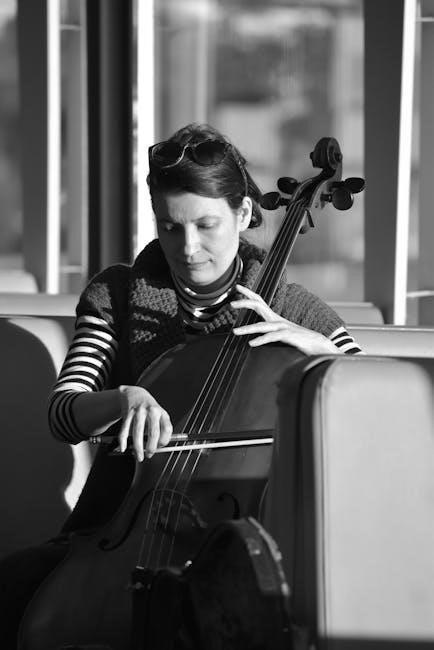
Content of Suzuki Cello School, Book 3
Book 3 features classical pieces by renowned composers, including Schubert, Taki, Lully, and Boccherini, designed to develop technique and musical expression in cello students․
Pieces Included: A Detailed List
Suzuki Cello School, Book 3 presents a carefully curated selection of pieces to build upon the skills established in previous volumes․ Students will encounter Berceuse, Wiegenlied or Lullaby, Op․ 98, No․ 2, a beautiful and expressive work by Franz Schubert․
The Moon over the Ruined Castle by R․ Taki is included with a tonalization component, aiding in understanding harmonic context․ The Baroque elegance of Gavotte by Jean-Baptiste Lully introduces students to a different stylistic period․
Finally, Minuet from Sei Quintetti for Archi No․ 1 by Boccherini provides a refined and challenging piece, fostering ensemble awareness and technical proficiency․ These selections progressively enhance the cellist’s musicality and technical abilities․
Berceuse, Wiegenlied or Lullaby, Op․ 98, No․ 2 (F․ Schubert)
Schubert’s Berceuse, Wiegenlied or Lullaby, Op․ 98, No․ 2, featured in Suzuki Cello School, Book 3, is a tender and emotionally resonant piece․ It offers students a chance to develop expressive phrasing and a beautiful tone․ The lyrical melody demands careful attention to dynamics and subtle nuances․
This piece is ideal for cultivating a singing quality in the cello’s sound․ Students will focus on smooth bow changes and consistent vibrato to enhance the lullaby’s gentle character․
It’s a cornerstone of the book, providing a foundation for interpreting Romantic-era repertoire and fostering musical sensitivity․
The Moon over the Ruined Castle (R․ Taki) ー Tonalization
R․ Taki’s “The Moon over the Ruined Castle,” as presented in Suzuki Cello School, Book 3, focuses heavily on tonalization․ This exercise is crucial for developing a student’s ear and intonation accuracy․ The piece is specifically designed to refine the ability to play in tune and with a consistent, pleasing tone․
Tonalization involves carefully listening to and matching pitches, ensuring each note resonates clearly and accurately․ Students will work on identifying and correcting intonation tendencies․
This piece builds a strong foundation for more complex repertoire, emphasizing the importance of a beautiful and well-tuned sound․

Gavotte (J․B․ Lully)
Jean-Baptiste Lully’s Gavotte, featured within the Suzuki Cello School, Book 3, introduces students to Baroque dance forms and stylistic elements․ This piece is a cornerstone for developing rhythmic precision and a refined bowing technique․ The Gavotte’s characteristic upbeat and lively tempo challenge students to maintain clarity and articulation․
Students will focus on executing clean détaché and martelé strokes, essential for Baroque performance practice․ The piece also encourages attention to phrasing and dynamic contrast, bringing out the elegance of the dance․
Mastering the Gavotte builds a solid foundation for tackling more advanced Baroque repertoire․
Minuet from Sei Quintetti for Archi No․ 1 (Boccherini)
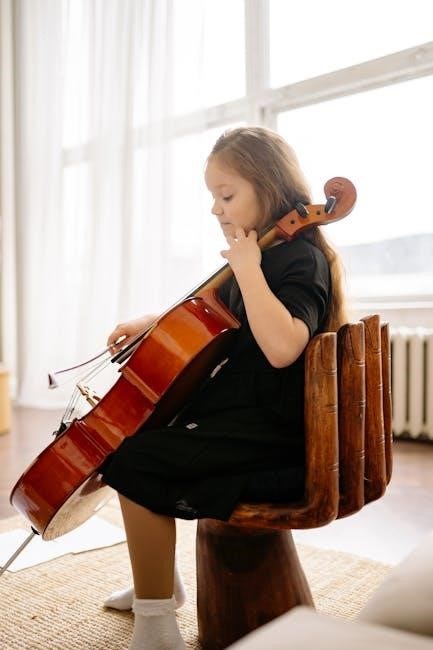
Luigi Boccherini’s Minuet, included in Suzuki Cello School, Book 3, offers students a graceful introduction to Classical-era chamber music․ This piece emphasizes lyrical phrasing, elegant bowing, and a refined sense of musicality․ Students will develop their ability to shape melodic lines and create a balanced, expressive performance․
The Minuet requires careful attention to dynamics and articulation, fostering a nuanced understanding of Classical style․ It’s a valuable exercise in ensemble playing, even when practiced solo, encouraging a sense of dialogue and interplay․
Successfully performing this Minuet builds confidence and musical maturity․
Availability of the Suzuki Cello School, Book 3 PDF
Suzuki Cello School, Book 3 is accessible in various formats, including PDF․ Internet Archive provides free access for borrowing and streaming, offering the cello music method and scores․ However, users should verify copyright compliance before downloading․
For purchase, the Kindle edition of the Piano Accompaniment is available on Amazon․com․ Alfred Music sells the Cello Accompaniment Book in its International Edition․ PDF versions can also be found online, though sourcing from reputable vendors is crucial․
Always ensure legal acquisition to support the composer and publisher․
Free Download Sources: Internet Archive
Internet Archive offers a valuable resource for accessing the Suzuki Cello School, Book 3․ The platform provides options for free download, borrowing, and streaming of the material; Listed under categories like “Cello music – Methods” and “Cello and piano music,” the archive contains a score and parts, dating back to c1991 for Volume 1․
Volume 3’s piano accompaniment was distributed by Warner Bros․ The archive’s entry, updated on 2020-10-22, includes pieces like variations on “Twinkle, Twinkle, Little Star” and various folk songs․ Users should always respect copyright regulations when utilizing these free resources․
Purchasing Options: Kindle and Alfred Music
For convenient digital access, the Suzuki Cello School, Volume 3 (Revised) piano accompaniment is available as a Kindle edition on Amazon․ This provides an easily accessible format for teachers and students alike․ Alternatively, the Cello Accompaniment Book can be purchased through Alfred Music, offered in an International Edition․
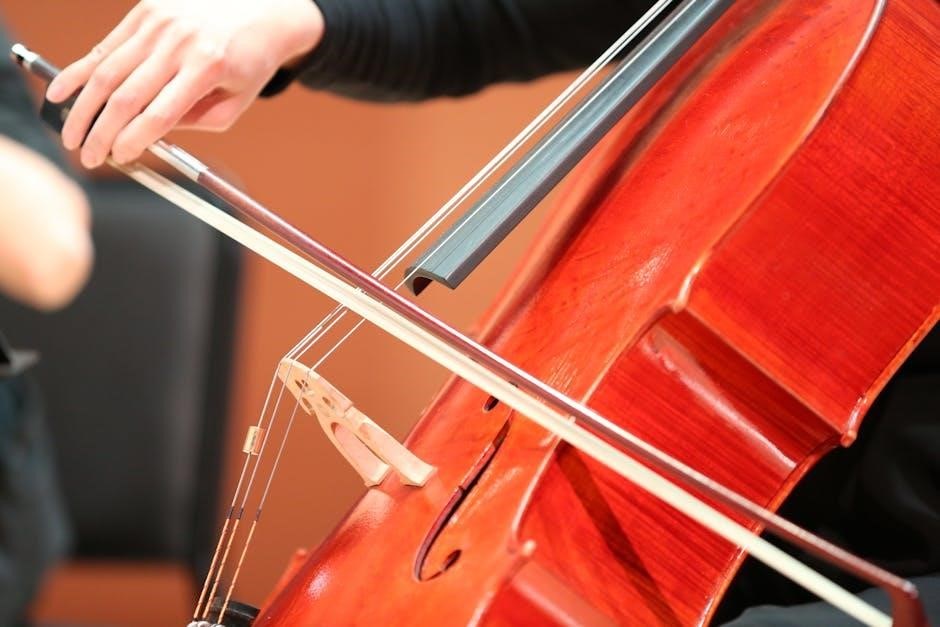
Alfred Music emphasizes using the popular Suzuki Cello School to teach․ The method is rooted in Shinichi Suzuki’s belief in inherent talent and the influence of environment․ Purchasing directly supports the continuation and development of these educational resources, ensuring quality and accessibility for future cellists․
Understanding the Accompaniment Materials
Essential to the Suzuki method are dedicated accompaniment materials․ The Suzuki Cello School, Book 3, requires both a Cello Accompaniment Book – for the student’s part – and a separate Piano Accompaniment․ These are often sold separately, reflecting the collaborative nature of the learning process․
The piano accompaniment isn’t merely supportive; it’s integral to developing musicality and timing․ Availability of the piano part is crucial, with options including Kindle editions and physical copies distributed by Warner Bros․ through Alfred Music․ Proper use of these materials enhances the student’s experience and fosters a rich musical environment․
Cello Accompaniment Book
The Cello Accompaniment Book for Suzuki Cello School, Book 3, is a fundamental resource for students․ Published in an International Edition by Alfred Music, this book contains the solo cello parts for all pieces included in the volume․ It’s designed to be used in conjunction with the corresponding piano accompaniment․
This edition facilitates teaching the Suzuki method, built on Shinichi Suzuki’s belief in inherent talent nurtured by environment․ The book provides the student with their individual musical line, enabling focused practice and development․ It’s a core component for progressing through the Suzuki curriculum and mastering the repertoire․
Piano Accompaniment: Importance and Availability
The piano accompaniment is crucial to the Suzuki Cello School, Book 3, providing harmonic support and rhythmic stability for the student․ It’s not merely background music; it actively shapes the learning experience, modeling correct intonation and phrasing․
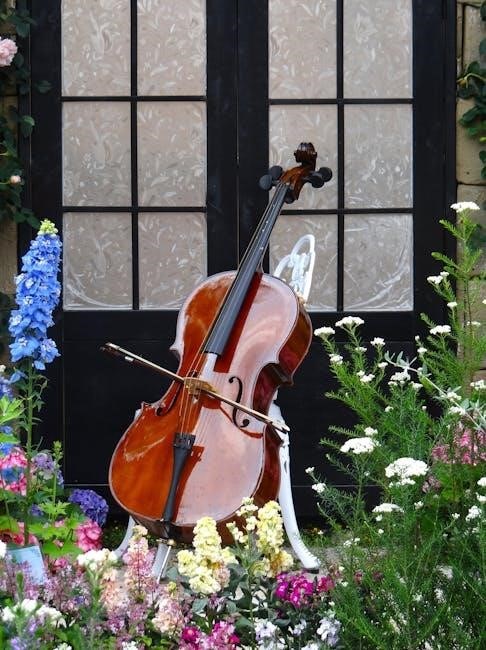
Available as a separate purchase, the piano score is offered in Kindle edition via Amazon․com, authored by Dr․ Shinichi Suzuki․ Warner Bros distributes the volume 3 piano accompaniment․ Access to a skilled pianist is highly recommended for optimal learning, mirroring Suzuki’s emphasis on a supportive musical environment․ This collaborative aspect is central to the method’s success․
The Suzuki Method and its Core Principles
Shinichi Suzuki’s revolutionary “Talent Education” philosophy underpins the entire Suzuki Cello School, including Book 3․ He believed innate musical ability exists in every child, akin to language acquisition․ Musical skills aren’t solely gifted, but cultivated through a nurturing environment and consistent exposure․
This method emphasizes listening, repetition, and positive reinforcement․ Students learn by ear, mimicking sounds before tackling notation․ The environment – encompassing teacher, parents, and peers – plays a vital role․ Suzuki advocated for a supportive atmosphere, fostering confidence and a love for music․ Book 3 builds upon these principles, refining technique and musicality․
Shinichi Suzuki’s Philosophy of Talent Education
Shinichi Suzuki’s core belief was that every child possesses inherent talent, comparable to their natural ability to learn their native language․ He rejected the notion of innate musical gifts, arguing that ability is developed through a carefully constructed environment and consistent, positive reinforcement․
Suzuki observed children effortlessly acquiring language through immersion and imitation․ He applied this principle to music education, advocating for early exposure, listening, and learning by ear before formal notation․ This approach, termed “Talent Education,” aims to nurture a child’s musical potential, fostering not just technical skill, but also a deep love and appreciation for music, principles central to Book 3․
The Role of Environment in Musical Development
Suzuki emphasized that a child’s surroundings profoundly shape their development, particularly in musical aptitude․ He believed a supportive and stimulating environment – encompassing parents, teachers, and fellow students – is crucial for fostering a love of learning and maximizing potential․
This environment includes frequent listening to beautiful music, positive encouragement, and a nurturing atmosphere free from harsh criticism․ The Suzuki method, exemplified in Book 3, prioritizes creating a community where students learn from each other, inspiring progress and building confidence․ This holistic approach recognizes that musical growth isn’t solely about technique, but about cultivating a positive and enriching experience․
Technical Specifications of the Book 3 PDF
The Suzuki Cello School, Book 3 PDF typically ranges around 21MB in file size, readily available for download and viewing on various devices․
File Size and Format
The Suzuki Cello School, Book 3 PDF generally presents as a document with a file size of approximately 21MB, as noted on PDFCOFFEE․COM․ This size allows for detailed musical notation and accompanying instructions to be clearly presented․ The format is, of course, PDF (Portable Document Format), ensuring compatibility across a wide range of devices – computers, tablets, and smartphones – and operating systems․
This format also preserves the original formatting of the sheet music, crucial for accurate interpretation by students and teachers․ The Internet Archive lists the book as comprising one score and potentially one part volume, typically around 31cm in physical dimensions, which translates to a proportionally sized digital file․ The PDF ensures easy access to this valuable resource for cello education․
Copyright and Legal Considerations
Regarding the Suzuki Cello School, Book 3 PDF, it’s crucial to understand copyright restrictions․ The material is protected by copyright, belonging to Shinichi Suzuki and associated publishers like Alfred Music․ Downloading from unofficial sources may infringe upon these rights․
While platforms like the Internet Archive offer access, users should verify the legality of the distribution and adhere to any usage terms․ Purchasing a legitimate copy – either as a Kindle edition or through Alfred Music – ensures compliance with copyright law and supports the creators․ Respecting intellectual property is vital for the continued availability of educational resources like this cello school book․

Resources and Further Learning
Expand your Suzuki journey! Explore online communities and seek guidance from a qualified Suzuki cello teacher for optimal progress and support․
Online Communities for Suzuki Cello Students
Connecting with fellow Suzuki cello students online offers invaluable support and shared learning experiences․ Numerous forums and social media groups cater specifically to the Suzuki method, providing platforms for asking questions, sharing progress, and receiving feedback․ These communities often host discussions related to specific books, like Book 3, allowing students to collaborate on challenging pieces and tonalizations․
Facebook groups dedicated to Suzuki cello are particularly active, fostering a sense of camaraderie and offering access to a wider network of players and teachers․ Websites like Reddit also feature subreddits where cellists can connect․ Participating in these online spaces can supplement individual lessons and provide motivation throughout your musical journey․ Sharing recordings and receiving constructive criticism can accelerate your development․
Finding a Qualified Suzuki Cello Teacher
While the Suzuki Cello School, Book 3 PDF provides materials, a qualified teacher is crucial for progress․ Look for a teacher certified by the Suzuki Association of the Americas (SAA), ensuring they’ve completed rigorous training in the Suzuki method’s philosophy and pedagogy․ Experienced instructors understand Shinichi Suzuki’s principles, fostering a nurturing learning environment․

Consider a teacher familiar with the specific repertoire in Book 3 – Schubert’s Berceuse, Taki’s tonalizations, Lully’s Gavotte, and Boccherini’s Minuet․ They can provide nuanced guidance on technique, interpretation, and musicality․ The SAA website offers a teacher directory; local music stores and universities can also provide referrals․ A good teacher adapts to your learning style and encourages a love for music․